


Sandpaper and Sanding Discs for Decorating Projects
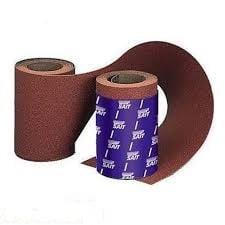
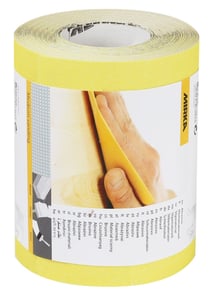
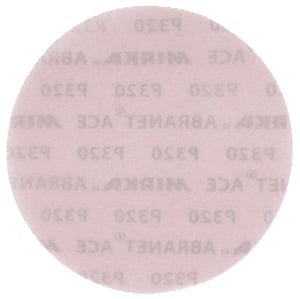
Using the right grit sandpaper makes the job so much easier. Whether you’re smoothing over a filled hole while prepping a wall for painting or sanding back paint to fix a surface issue, we’ve got a wide range of sandpaper and sanding accessories to help you get it right the first time. Discover our sandpaper, sanding discs and accessories from leading brands including Mirka and Sait below.
Related Categories:
-
-
-
 New
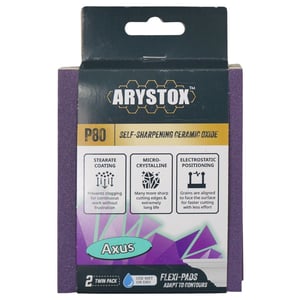
New 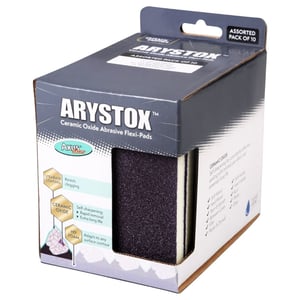 Axus Arystox Ceramic Oxide Abrasive Flexi Pads Assorted 10 PackSpecial Price £10.42 £8.68 Was £12.25Saving: £1.84-15%
 -
-

-
New
 Axus Arystox Ceramic Oxide Abrasive Blocks Assorted 10 PackSpecial Price £10.42 £8.68 Was £12.25Saving: £1.84-15%
 -

-

-

-

-

-

-

-

-

-

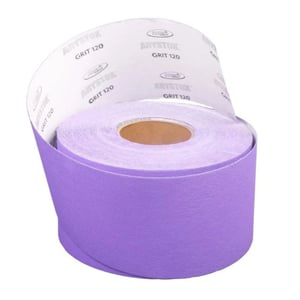

Sandpaper FAQS
Sandpaper grit means that every particle of abrasive can fit through a 1 inch mesh filter. For example, a 80 grit sandpaper has large particles, so 80 particles can fit through the mesh filter whereas a 220 grit as much smaller particles so more can fit through.
Course Grit
Coarse sandpaper has a grit of around 40 to 60 and is generally made from aluminium oxide or ceramics. Course grit sandpapers are perfect for heavy-duty material removal, like removing old paint, shaping wood, smoothing over a deep gouge or removing rust.
Medium Grit
If you’re looking for a versatile sandpaper, go for a medium, 80 to 100 grit sandpaper made from aluminium oxide. This a general purpose smoothing sandpaper, great for removing minor imperfections, shaping bare wood and preparing surfaces for primer or paint by removing any light blemishes.
Fine Grit
For most DIYers and amateur decorators, fine sandpaper with a grit of 120 to 220 is ideal. This grit of sandpaper is perfect for smoothing surfaces, preparing them for paint, stain or removing any minor surface imperperfections. For example, rubbing down filler and preparing bare wood for its first coat of paint.
It's recommended you use a medium-to-fine grit sandpaper (120-180 grit) to smooth any wall imperfections. If you need to remove any minor bumps we'd suggest 100-120 grit and for major bumps opt for a finer grit like a 100-220 grit to achieve a smoother finish, always sand lightly and clean thoroughy afterwards.
The sandpaper grit you use on wood will entirely depend on what you are doing with the wood. For example, use course sandpaper (60-80) for heavy shaping, medium (100-120) for general smoothing and tidying up of imperfections and fine grit (180-220+) for final preparation work before paint/stains etc.